
Country Guide


2026
LGBTQ+ Travel Guide: Georgia
Legal Situation & Safety for LGBTQ+ Travellers
Same-sex sexual activity was decriminalised in Georgia in 2000 as part of the country's Council of Europe accession commitments, and the age of consent is equal at 16. In 2014 Georgia adopted an Anti-Discrimination Law that explicitly listed sexual orientation and gender identity as protected grounds — at the time one of the more progressive provisions in the region, though enforcement was always weak. Hate crime provisions covering sexual orientation and gender identity were introduced into the Criminal Code in 2012.
That trajectory reversed sharply in 2024. On 17 September 2024 the Georgian parliament approved the Law on Family Values and Protection of Minors by 84 votes to zero, the opposition having boycotted the vote. President Salome Zourabichvili declined to sign it; parliament's speaker signed it into force on 3 October 2024. The package amended some two dozen separate statutes.
The law prohibits gatherings and demonstrations promoting "same-sex family or intimate relationships" — outlawing Pride marches — and bans the display of LGBTQ+ symbols including the rainbow flag at public gatherings. It restricts the depiction of same-sex relationships and gender transition in broadcasting, film, advertising and educational materials. It bans gender-affirming medical procedures and prohibits any change of gender marker in civil registry documents. It bars adoption and foster care by transgender people and by people in same-sex relationships. And it provides that same-sex marriages contracted abroad have no legal effect in Georgia.
The Office of the UN High Commissioner for Human Rights issued a formal call for the law to be rescinded, describing it as imposing discriminatory restrictions on education, public discussion and assembly. Civil Rights Defenders, the Venice Commission and the European Union all raised objections. In February 2026 the UN Committee on Economic, Social and Cultural Rights questioned Georgia specifically about the law's impact on LGBTI people. The law's passage coincided with the "foreign agents" law targeting NGOs and with the deterioration of Georgia's EU accession prospects.
Practically, this means that Georgia now has both an anti-discrimination law that formally protects LGBTQ+ people and a family values law that criminalises their public visibility. The contradiction is not accidental; in practice, the newer law and the political climate around it dominate.
Overview of Legal Rights (Sources: OHCHR, Wikipedia, Civil Rights Defenders, Equaldex, Amnesty International)
| Topic | Status |
|---|---|
| Homosexuality | Legal since 2000; equal age of consent (16) |
| Same-sex marriage | Constitutionally banned — a 2018 constitutional amendment defines marriage as a union of a woman and a man; the 2024 Family Values law additionally voids foreign same-sex marriages |
| Civil partnerships | Not available and not recognised in any form |
| Pride events and rainbow flag | Banned — the Law on Family Values and Protection of Minors (in force 3 October 2024) prohibits gatherings promoting same-sex relationships and the display of LGBTQ+ symbols at public gatherings |
| Adoption | Banned for people in same-sex relationships and for transgender people under the 2024 law |
| Anti-discrimination protections | Formally exist — the 2014 Anti-Discrimination Law lists sexual orientation and gender identity, and the Criminal Code recognises hate motive as an aggravating factor — but enforcement is weak and the 2024 law cuts directly across them |
| Legal gender recognition | Banned — the 2024 law prohibits any change of gender marker in civil registry documents |
| Gender-affirming healthcare | Banned under the 2024 law |
| Media and education | Restricted — depiction of same-sex relationships and gender transition is limited in broadcasting, film, advertising and educational material |
| International response | OHCHR called for the law to be rescinded (September 2024); Civil Rights Defenders, the EU and the Venice Commission raised objections; the UN Committee on Economic, Social and Cultural Rights questioned Georgia on its impact in February 2026 |
Safety & Social Attitudes
Georgia is a very safe country for ordinary travel. Street crime is rare, Georgians are famously hospitable, and visitors of all kinds are generally treated with warmth. The risk for LGBTQ+ people is specific and political rather than general and criminal: it arises around visible queer expression, particularly organised public events.
The precedent is unambiguous. The 2013 attempt to hold an IDAHOT rally in Tbilisi ended with tens of thousands of counter-protesters, led by Orthodox clergy, breaking through police lines and injuring dozens. Tbilisi Pride's planned 2021 march was abandoned after far-right mobs stormed the organisers' offices and attacked more than 50 journalists, one of whom subsequently died. The 2023 Tbilisi Pride festival was violently overrun. Since October 2024 such events are also illegal.
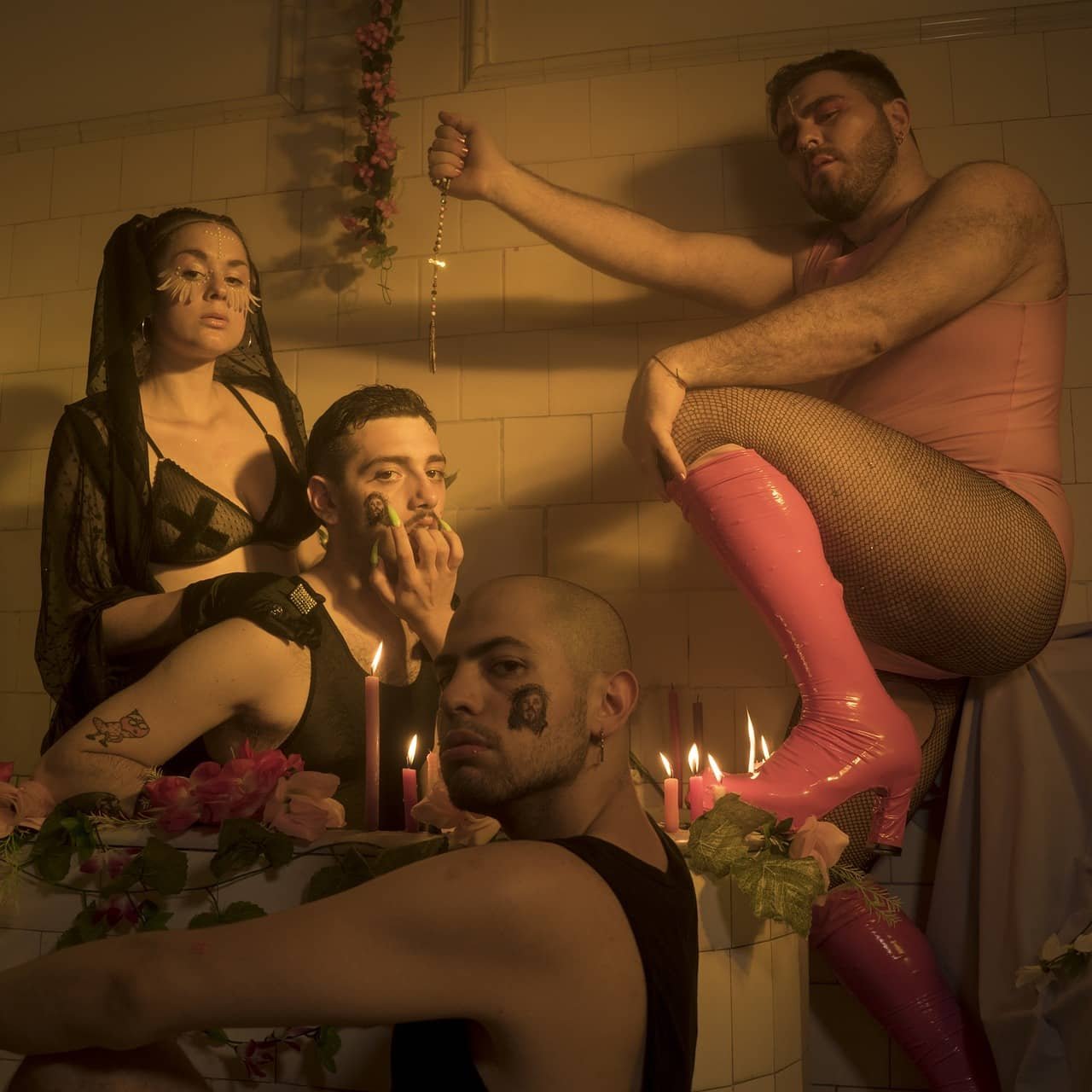
Away from public demonstrations, Tbilisi has a real and creative queer life, largely centred on the club and arts scene. Bassiani, the techno club beneath the Dinamo Arena football stadium, and its queer party Horoom have been at the centre of both Georgia's nightlife reputation and its cultural politics — the 2018 police raids on Bassiani and the "rave-olution" protests that followed made international news. Success Bar and a handful of other venues have operated as queer or queer-friendly spaces. These are not advertised in the way a Berlin or Barcelona venue would be, and their status can change.
Attitudes among the general population remain among the most conservative in Europe on this subject. The Georgian Orthodox Church is highly influential and has campaigned actively against LGBTQ+ visibility. Younger, urban Georgians — particularly in Tbilisi's arts and nightlife community — are markedly more liberal, and there is a genuine and courageous domestic activist movement.
Key Organisations & Support
- Tbilisi Pride: Organiser of Pride week and a leading advocacy voice, operating under significant pressure; tbilisipride.ge
- Equality Movement (თანასწორობის მოძრაობა): Community centre, legal aid, psychological support and HIV services for LGBTQ+ people in Georgia
- Women's Initiatives Supportive Group (WISG): Feminist and queer organisation focused on research, documentation and advocacy for LBT women
- Identoba: One of Georgia's longest-standing LGBTQ+ rights organisations, active in litigation and documentation
- Social Justice Center (formerly EMC): Human rights organisation providing legal analysis and strategic litigation, including on the 2024 law
- Emergency: 112 (all services)
Entry & Practical Information
- Georgia has one of the most generous visa regimes in the world: citizens of the EU, UK, USA, Canada, Australia and around 95 other countries may enter visa-free and stay for up to one year.
- The currency is the Georgian Lari (GEL). Card payment is widespread in Tbilisi and Batumi; carry cash for rural areas, marshrutka minibuses and markets. Georgia is inexpensive by European standards.
- Georgian is the language, written in its own unique alphabet — one of only 14 script systems in the world in current use. Russian is widely understood by older Georgians; English is common among younger people in Tbilisi and in tourism, less so elsewhere.
- Tbilisi International Airport (TBS) and Kutaisi (KUT) have good low-cost connections to Europe and the Middle East. Overland travel between cities is by marshrutka minibus, train or hired driver; the Georgian Military Highway to Kazbegi is one of the great mountain roads.
- Note that Abkhazia and South Ossetia are outside Georgian government control and should not be entered from the Russian side; most foreign ministries advise against travel to these regions entirely.
LGBTQ+ Highlights: Tbilisi
Tbilisi — Underground and Extraordinary
Tbilisi's queer life is real but almost entirely underground, and inseparable from the city's club culture. The scene centres on a handful of venues in the city centre and around the Dinamo Arena, and on private parties publicised through closed channels. Nothing here is signposted the way it would be in Western Europe; going out with local contacts, or through the club promoters' own social channels, is the way in.
- Bassiani (beneath Dinamo Arena): Regularly named among the best techno clubs in the world, built in a drained Soviet-era swimming pool. Its Horoom Nights parties are explicitly queer and have been a cornerstone of Georgian LGBTQ+ community life since 2016. Entry is by application through the club's channels; face control is strict and phones are covered.
- Success Bar: A long-running small queer bar in the city centre, one of the few explicitly LGBTQ+ venues to have operated openly over a sustained period.
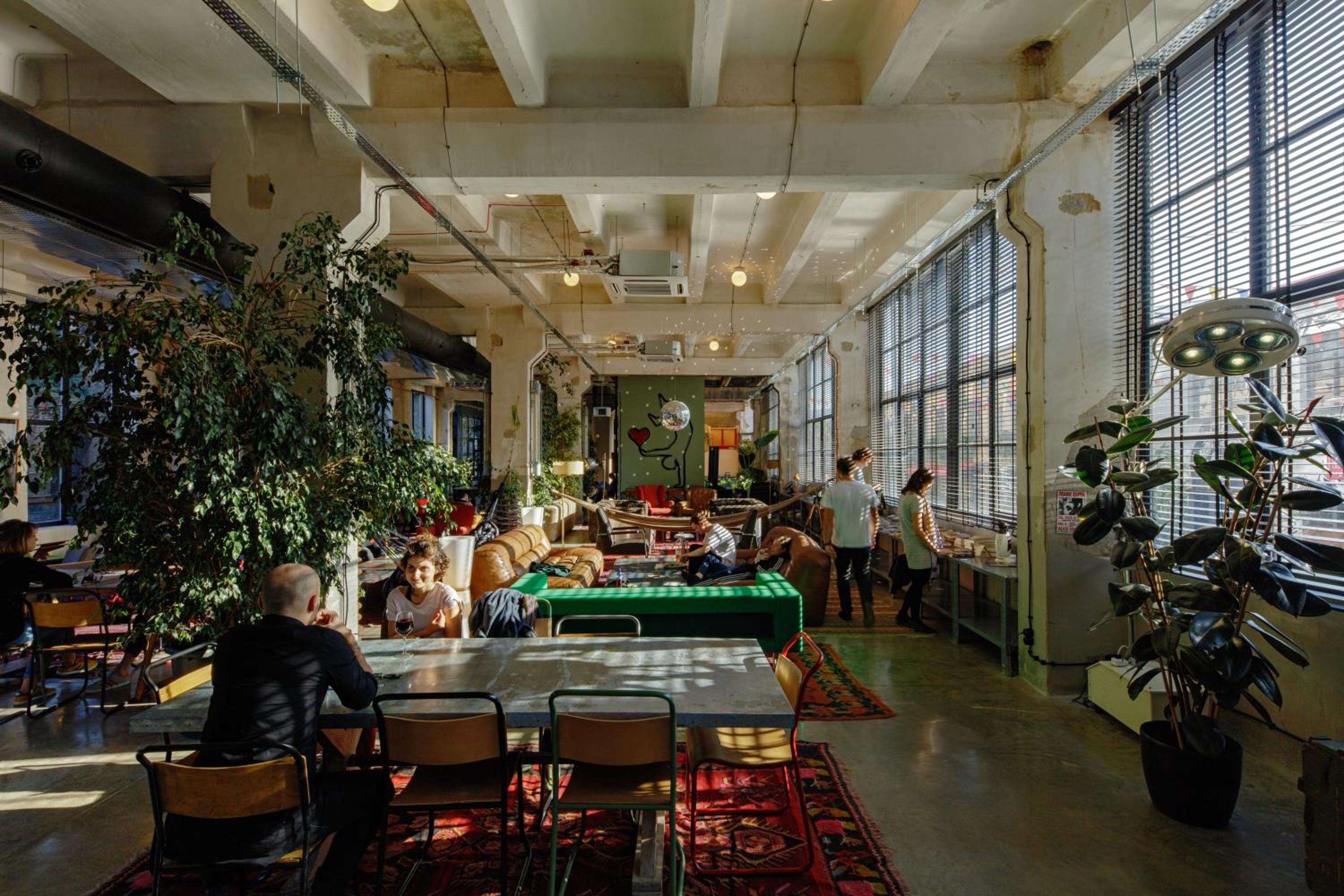
- Fabrika (Ninoshvili Street): A Soviet sewing factory converted into a hostel, courtyard, bar and creative complex — the heart of Tbilisi's alternative and international scene, and a comfortable place for queer visitors to spend an evening.
- Left Bank, Mtkvarze and the Khidi: Further venues in Tbilisi's club ecosystem, all broadly progressive in outlook and welcoming to queer crowds.
- Vera and Sololaki: The two central neighbourhoods with the highest concentration of independent cafés, wine bars, bookshops and galleries — the most liberal quarters of the city and the easiest to spend time in.
General Travel Highlights: Georgia
Georgia packs an enormous amount into a country the size of Ireland: the High Caucasus, subtropical Black Sea coast, semi-desert, cave cities, and the world's oldest continuous winemaking tradition at 8,000 years.
Tbilisi
- The Old Town (Kala): Carved wooden balconies, the Narikala fortress reached by cable car, and the brick domes of the Abanotubani sulphur bathhouses — a Tbilisi bath and scrub is an essential experience.
- Rustaveli Avenue: The grand central boulevard, with the Georgian National Museum, the Opera House and the Parliament building.
- Chronicle of Georgia: A monumental and startlingly little-visited Soviet-era sculpture complex on a hilltop above the Tbilisi Sea reservoir.
- Dry Bridge Market: A flea market of Soviet memorabilia, silverware, cameras and painted plates that doubles as an accidental museum of the twentieth century.
Beyond Tbilisi
- Kazbegi (Stepantsminda): The Gergeti Trinity Church on a ridge beneath the 5,047-metre Mount Kazbek — the defining image of Georgia, reached by the Georgian Military Highway.
- Svaneti: The most remote and spectacular region of the High Caucasus, with the UNESCO-listed defensive tower houses of Ushguli and Mestia and serious multi-day trekking.
- Kakheti: Georgia's wine region, where wine is still fermented in buried clay qvevri — a UNESCO intangible heritage practice. Sighnaghi, the Alaverdi monastery and dozens of family wineries.
- Mtskheta: Georgia's ancient capital and spiritual centre, with the UNESCO Svetitskhoveli Cathedral and the Jvari Monastery above the confluence of two rivers.
- Vardzia and Uplistsikhe: Cave cities carved into cliff faces — Vardzia a 12th-century monastery complex of 600 rooms, Uplistsikhe a pre-Christian rock-hewn town.
- Batumi: The Black Sea city, with a subtropical botanical garden, a startlingly eclectic modern skyline, and a lively summer season.
Food & Wine
- Georgian cuisine is among the world's most underrated: khachapuri (cheese bread, in regional variations including the boat-shaped Adjaruli with egg and butter), khinkali (soup dumplings), pkhali (walnut and vegetable pâtés), badrijani nigvzit (aubergine rolls with walnut), mtsvadi (grilled meat) and churchkhela (nut and grape-must sweets).
- Wine has been made here for 8,000 years. Amber (orange) wine fermented in qvevri with skin contact is Georgia's signature contribution to world wine, and the Kakheti region is full of small producers open to visitors.
- The supra — the Georgian feast, led by a tamada or toastmaster — is a genuine cultural institution and, if you are invited to one, the single best thing that can happen to you in Georgia.
Sources: OHCHR – Georgia: call to rescind new anti-LGBTIQ+ law (September 2024); Committee on Economic, Social and Cultural Rights review of Georgia (February 2026) · Wikipedia – Georgian anti-LGBTQ law; LGBTQ rights in Georgia (country) · Civil Rights Defenders – New bill in Georgia violates LGBTI+ rights (September 2024) · Al Jazeera – Georgia's parliament approves law curbing LGBTQ rights (September 2024) · Euronews – Georgia ratifies law curbing LGBTQ rights despite president's opposition (October 2024) · Equaldex – LGBT Rights in Georgia · As of August 2026
Change location: