
Country Guide

Party & Clubbing
-
 Thursday03.09.20260:0061. PIANO QUIZLGBTQIA+ focusedTest your knowledge at the regular piano quiz night at Piano Bar

Stage & Shows
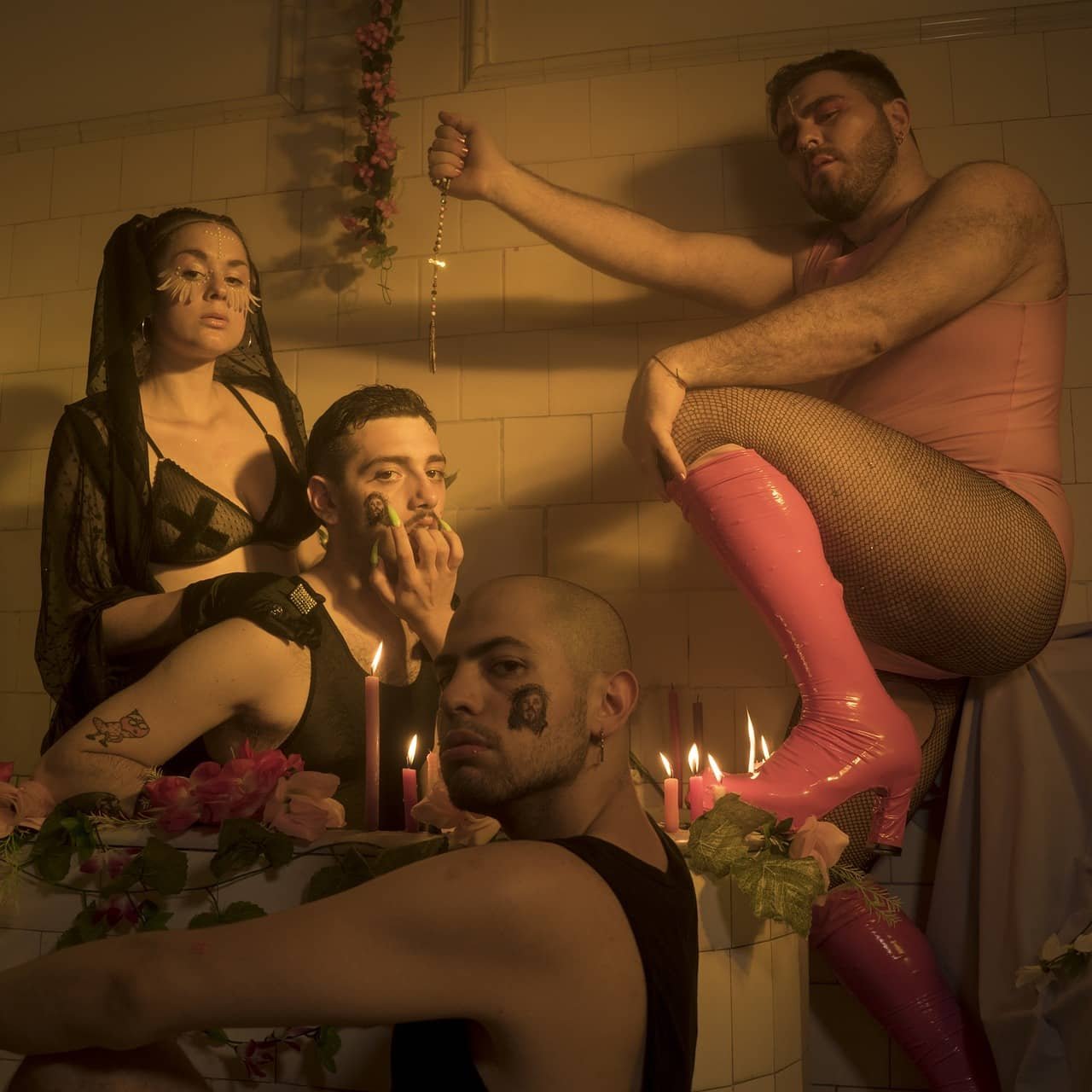
- Thursday03.09.202621:00Drag/Travesti show by Lavri gina, Naděžda, TauraLGBTQIA+ focusedExperience a spectacular drag show featuring local performers in Czechia
- Thursday03.09.202621:00Drag/Travesti show by Lavri gina, Naděžda, TauraMostly MenExperience a spectacular drag show featuring local performers in Czechia

LGBTQ+ Travel Guide: Czechia
Legal Situation & Safety for LGBTQ+ Travellers
Czechia's legal trajectory is one of the most progressive in its region. After decriminalisation in 1962, the country introduced registered partnerships in 2006. Attempts to legalise full same-sex marriage repeatedly fell short in parliament — most recently in February 2024, when the marriage bill was voted down at third reading in favour of a compromise expanding partnership rights. The resulting law, signed by pro-LGBTQ+ President Petr Pavel on 29 April 2024 and in force since 1 January 2025, renames partnerships to simply "partnerships" and grants them all marriage rights — including joint property, widows'/widowers' pensions, and stepchild adoption — except joint adoption of children from outside the family. Anti-discrimination law covers sexual orientation and gender identity comprehensively. Hate crime aggravation for LGBTQ+ victims entered the criminal code on 1 January 2026. Transgender legal gender change remains procedurally demanding — requiring one year of hormone therapy and committee approval from the Ministry of Health — though a July 2025 Health Ministry announcement indicated that surgery requirements were being dropped. The ECJ ruling of November 2025 in Cupriak-Trojan and Trojan v Wojewoda Mazowiecki also requires Czechia to recognise same-sex marriages performed in other EU member states as full marriages.
Overview of Legal Rights (Sources: Equaldex, Wikipedia)
| Topic | Status |
|---|---|
| Homosexuality | Legal since 1962 — equal age of consent (15) |
| Same-sex marriage | Not recognised domestically — marriage bill rejected Feb 2024; however, following ECJ ruling of Nov 2025, same-sex marriages performed in other EU countries must be recognised in Czechia as full marriages |
| Same-sex partnership ("partnership") | Full marriage rights except joint adoption — in force since 1 January 2025; includes shared property, widow/widower pension, stepchild adoption, hospital visitation, inheritance; can be concluded at any registry office nationwide |
| Same-sex adoption | Stepchild (second-parent) adoption legal since Jan 2025; joint adoption of unrelated children not permitted; individuals (including those in same-sex partnerships) may adopt independently |
| Anti-discrimination protections | Comprehensive — covers employment, education, housing, and goods and services based on sexual orientation and gender identity; Anti-Discrimination Act since 2009 |
| Hate crime protections | Sexual orientation and gender identity added as aggravating factors in hate crimes from 1 January 2026 |
| Right to change legal gender | Legal but procedurally demanding — requires one year of hormone treatment and Health Ministry committee approval; Constitutional Court ruled forced surgery unconstitutional in May 2024; surgery requirement being removed as of July 2025 Health Ministry announcement |
| Non-binary recognition | Not legally recognised |
| Conversion therapy | Not banned — attitude of homosexuality as a disease remains in some medical contexts; no legislation enacted as of March 2026 |
| Military service | Open service permitted — sexual orientation not grounds for exclusion under Military Act |
| Blood donation by MSM | Permitted — Ministry of Health revised guidelines removing automatic exclusion of MSM from blood donation |
Safety & Social Attitudes
Czechia is one of the most secular countries in the world — around 70% of the population identifies as non-religious — and this has strongly shaped its comparatively liberal social attitudes. A Pew Research Center survey found that roughly 80% of Czechs believe homosexuality should be accepted by society, one of the highest rates of any country in the region. A CVVM poll in 2023 found 58% of Czechs believed same-sex couples should have the right to marry. Violent incidents targeting LGBTQ+ people are rare. Prague in particular is considered very safe and welcoming — experienced travellers report feeling comfortable holding hands in the Old Town and Vinohrady. Smaller towns and rural areas are more conservative in social norms though not hostile. The campaign organisation Jsme Fér (We Are Fair) continues to push for full marriage equality.
Key Organisations & Support
- Prague Pride: The volunteer civic association that organises the annual Prague Pride festival — one of Central Europe's largest LGBTQ+ events; founded 2010; runs a full week of workshops, debates, concerts, exhibitions, and parties culminating in the parade
- Jsme Fér (We Are Fair): The leading marriage equality advocacy organisation in Czechia — leads the ongoing campaign for full same-sex marriage and adoption rights
- STUD Brno: Founded in 1996 at Masaryk University — Brno's main LGBTQ+ NGO; runs community events, the Brno LGBTQ+ ball, Brno Pride Week, and the Queer Library; one of the longest-established LGBTQ+ organisations outside Prague
- TRANS*PARENT: Trans advocacy NGO founded 2015 in Prague — supports trans rights, provides community space, and campaigns for legal reform
- Mezipatra: Organiser of the annual Mezipatra Queer Film Festival in Prague and Brno — screening 100+ films; one of the most significant queer cultural events in Central Europe
- Emergency: 112 (EU-wide) / 158 (Police) / 155 (Ambulance)
Entry & Practical Information
- Czechia is an EU and Schengen member state. EU/EEA/Swiss citizens enter freely. Citizens of the USA, UK, Canada, Australia, and many others can visit visa-free for up to 90 days within any 180-day period.
- The currency is the Czech Koruna (CZK / Kč) — Czechia has not adopted the Euro. Cash is still widely used; card payments work everywhere in Prague and other major cities but carry some koruny for smaller vendors and rural areas. Exchange rates are generally favourable for Western European and North American visitors — Prague remains significantly cheaper than comparable Western European capitals.
- The official language is Czech. English is widely spoken in Prague and among younger Czechs nationally; German is useful in western Bohemia near the German border.
- Foreign same-sex couples married in other EU countries: following the November 2025 ECJ ruling, Czech authorities must recognise these marriages as full marriages — not merely as registered partnerships — for the purpose of rights within Czechia.
LGBTQ+ Highlights: Cities, Prides & Events
Prague — Central Europe's Gay Capital
Prague is Central Europe's most established and vibrant LGBTQ+ destination — a city of extraordinary Gothic and Baroque beauty whose openness to queer culture dates back to the 1990s, after the Velvet Revolution ended communist rule. The Vinohrady district (Prague 2), immediately east of Wenceslas Square, is the heart of the gay scene — a prosperous, leafy residential neighbourhood of Art Nouveau apartment buildings whose streets and squares contain the highest concentration of LGBTQ+-friendly bars, clubs, and cafes in the country. Old Town and Žižkov also have welcoming venues.
- Club TerMIX (Třebízského 4a, Vinohrady): One of Prague's most popular and enduring gay clubs — dance floor, themed nights, a cruisy area, DJs; a landmark of the Vinohrady scene and a key Pride venue
- Friends Club (Bartolomějská 11, Old Town): Iconic gay bar in the heart of Old Town — legendary karaoke nights, DJ parties, a welcoming atmosphere; one of the most-visited gay bars in Central Europe and beloved by both tourists and locals
- HEAVEN CLUB (near Náplavka riverbank): Modern, well-equipped LGBTQ+ club near the Dancing House — open since 1998; two bars, live DJs, drag shows, karaoke, dance floor; one of the oldest continuously operating gay clubs in Prague
- The Saints Bar (Polská 32, Vinohrady): Intimate, cozy gay bar with a relaxed atmosphere — good for early-evening drinks; friendly staff; popular with a mixed local and international crowd
- Piano Bar (between Náměstí Jiřího z Poděbrad and Žižkov TV Tower): One of Prague's longest-running LGBTQ+ bars — board games, an old piano, Sunday bingo nights; a neighbourhood institution with a more local, lived-in character
- Q-Café (New Town): Welcoming café popular with gay, lesbian, and queer-minded visitors — two floors, an LGBTQ+ library, community notice boards; a good first stop to get a feel for the Prague queer scene and check upcoming events
- Rainbow House (Old Town): Community centre for LGBTQ+ people and allies in central Prague — hosts events, meetings, and cultural activities; a hub for both residents and visitors seeking community connection
- Bar B52 (Vinohrady/Vršovice border): Cocktail bar hosting regular queer events — karaoke, drag shows, and stand-up in a more intimate atmosphere; good for a more local feel than the main club scene
Brno — Moravia's Queer Second City
Brno is Czechia's second-largest city and the capital of Moravia — a lively university city of about 400,000 with a strong student culture, vibrant nightlife, and a history of LGBTQ+ firsts: Brno held the Czech Republic's first two queer pride parades in 2008 (Duhová vlna) and 2010 (Teplě jaro), years before Prague Pride launched. The city's queer scene is smaller than Prague's but genuine and growing, with venues concentrated in and around the city centre.
- STUD Brno (Masaryk University area): The long-established LGBTQ+ community organisation — runs social events, the annual Brno LGBTQ+ Ball (approximately 500 attendees), Brno Pride Week (annually since 2021), the Queer Library, and regular community activities; founded 1996
- Brno Pride Week (annual — organised by Queer Kód and STUD): Annual festival of LGBTQ+ pride in Brno since 2021 — events, parties, workshops, and cultural programming; many from Brno also travel to Prague Pride each August
- Brno's city centre has several gay-friendly bars and clubs — the scene for men is more developed than for women; the university atmosphere creates a generally open and inclusive environment
- Villa Tugendhat: One of the most important works of modernist architecture in Europe (UNESCO World Heritage Site) — designed by Mies van der Rohe and completed in 1930; an essential cultural visit in Brno
More Cities & Events
- Olomouc: Charming Baroque university city in Moravia — home to the LGBT+ Center Olomouc, a community hub with meetings, events, and cultural activities; a less-visited but rewarding destination with extraordinary Holy Trinity Column (UNESCO), Baroque fountains, and a lively student scene
- Mezipatra QFF regional screenings: The queer film festival extends beyond Prague and Brno to cities across Czechia each November — check the Mezipatra website for the full programme
- Freedom Night (monthly, Prague and Brno): The only regular party specifically for women who love women in Czechia — takes place monthly in Prague; also runs in Brno, Pilsen, and Bratislava (Slovakia)
- Homosteria (bi-monthly, Prague): Queer club night at Ankali — drawing influences from Berlin's club culture; celebrates queerness and excellent music in a deliberately inclusive and boundary-pushing atmosphere
General Travel Highlights: Czechia
Czechia is one of Europe's most architecturally extraordinary countries — a compact Central European nation whose towns and cities emerged from the 20th century's wars and communist decades largely physically intact, preserving a built heritage stretching from Romanesque to Cubist that is unmatched in density anywhere in Europe. The country also offers superb nature, world-famous beer, and some of Europe's most affordable city-break prices.
Prague — The City of a Hundred Spires
- Prague Castle (Hradčany): The largest ancient castle complex in the world — a hilltop city of palaces, churches, gardens, and galleries overlooking the Vltava; St Vitus Cathedral, the Royal Palace, Golden Lane, and the Schwarzenberg Palace are all within its walls; the castle district is a full day's exploration
- Charles Bridge: The medieval stone bridge completed in 1402 — 30 Baroque statues of saints line its parapets; at dawn before the crowds arrive it is one of Europe's most atmospheric urban spaces; the views up to the castle and down the Vltava are defining Prague images
- Old Town Square and Astronomical Clock: The medieval heart of Prague — the Gothic Týn Church, the Baroque St Nicholas Church, the Old Town Hall with its 15th-century Astronomical Clock (which marks the hours with a procession of apostles); the square is perpetually busy but captivating
- Vinohrady and Žižkov: The neighbourhoods east of the centre — Art Nouveau apartment blocks, the Žižkov Television Tower (with giant crawling babies by David Černý), the Church of the Most Sacred Heart, and the neighbourhood character that makes Prague feel like a genuinely lived-in city rather than a museum
- Náplavka (Vltava embankment): Prague's riverfront promenade — weekend farmers' markets, beer gardens, houseboats-turned-bars; especially lively in summer; one of the best places to experience Prague as locals do
- Josefov (Jewish Quarter): The former Jewish ghetto of Prague — six surviving synagogues (including the Old-New Synagogue, the oldest active synagogue in Europe, dating to 1270), the Old Jewish Cemetery with its layered graves, and the extraordinarily moving Pinkas Synagogue with the names of 80,000 Czech Jewish Holocaust victims inscribed on its walls
Beyond Prague
- Český Krumlov (South Bohemia): One of the most beautiful small towns in Europe — a UNESCO World Heritage Site of a medieval castle overlooking a horseshoe bend of the Vltava River; the castle's Baroque theatre is one of the best-preserved in the world; the town's warren of medieval streets is best visited on a weekday to avoid summer crowds
- Karlovy Vary (West Bohemia): Central Europe's most celebrated spa town — colonnaded promenades along the Teplá River, elegant 19th-century hotels, therapeutic mineral springs (the traditional hot spring wafers, oplatky, are the edible souvenir); host to the internationally significant Karlovy Vary International Film Festival each July
- Kutná Hora: A medieval silver-mining city southeast of Prague — the remarkable UNESCO-listed Cathedral of St Barbara (a High Gothic masterpiece rivalling Prague's St Vitus), the stunning Italian Court, and above all the extraordinary Sedlec Ossuary, where the bones of approximately 40,000 people have been arranged into elaborate decorative structures including a full chandelier containing every bone in the human body
- Bohemian Switzerland National Park: A landscape of dramatic sandstone rock formations, gorges, and pine forest on the German border — the Pravčická brána is the largest natural rock arch in Europe; the Edmundova gorge is navigated by flat-bottomed boat; increasingly popular for hiking and adventure tourism
- South Moravia wine region: The rolling hills south and east of Brno produce some of Czechia's best wines — Pálava, Welschriesling, Müller-Thurgau, and local varieties from villages like Valtice and Lednice (together a UNESCO cultural landscape); the Mikulov wine trail and the charming town of Mikulov itself are highly recommended
Czech Beer Culture & Practical Tips
- Czech beer: Czechia has the highest beer consumption per capita in the world — and the beer genuinely is exceptional. Czech lager (světlý ležák) is the world standard: pale, brilliantly clear, with a thick creamy head, complex bitterness, and an elegance that bears no resemblance to most international versions. Pilsner Urquell (from Plzeň, the original pilsner), Kozel, Bernard, Budvar (the original Budweiser), and Prague's own Staropramen are household names — but local and craft breweries now thrive. Beer is consumed in traditional pivnice (beer halls) and hospody (pubs) with wooden benches, heavy food, and convivial noise: this is where Czech social life actually happens.
- Czech cuisine: Hearty Central European cooking rooted in Austro-Hungarian tradition — svíčková (beef sirloin in cream sauce with bread dumplings and cranberries), vepřo-knedlo-zelo (roast pork with dumplings and sauerkraut), trdelník (chimney cake, ubiquitous if touristy), and freshwater fish dishes in South Bohemia. Modern Czech cuisine in Prague has also developed into a genuinely exciting restaurant scene.
- Getting there: Václav Havel Airport Prague (PRG) is the main hub — well-connected to all major European cities and transatlantic routes; Brno–Tuřany Airport (BRQ) serves budget connections; excellent international rail connections via Munich, Vienna, Berlin, and Warsaw.
- Getting around: Prague's public transport — metro (3 lines), trams, and buses — is excellent, affordable, and runs 24 hours on weekends; a single ticket covers all modes. Intercity rail between Prague, Brno, and Olomouc is fast, comfortable, and inexpensive. RegioJet and Leo Express offer budget high-speed trains alongside Czech Railways (ČD).
- Best time to visit: May–June and September–October are ideal — warm, uncrowded, and at their most beautiful. August brings Prague Pride (3–8 August 2026) and the city at its most festive but also most crowded. Winter (December–January) brings a magical Christmas market season and far fewer tourists — Prague in snow is genuinely breathtaking.
Sources: Equaldex – LGBT Rights in Czechia (equaldex.com/region/czech-republic) · Wikipedia – LGBTQ rights in the Czech Republic; Recognition of same-sex unions in the Czech Republic · Expats.cz – Same-sex partnership law takes effect (January 2025) · Bay Area Reporter – Czech president signs expanded same-sex partnership rights (April 2024) · Nomadic Boys – Gay Prague travel guide (October 2025) · GayTravel4U – Prague Gay Pride 2026 · Brno Expat Centre – LGBTQIA+ guide to Brno · QueerPrague.cz · Queer Europe – LGBTQ+ guide to Prague · Prague Pride Festival guide · As of March 2026
Change location: