
City Guide
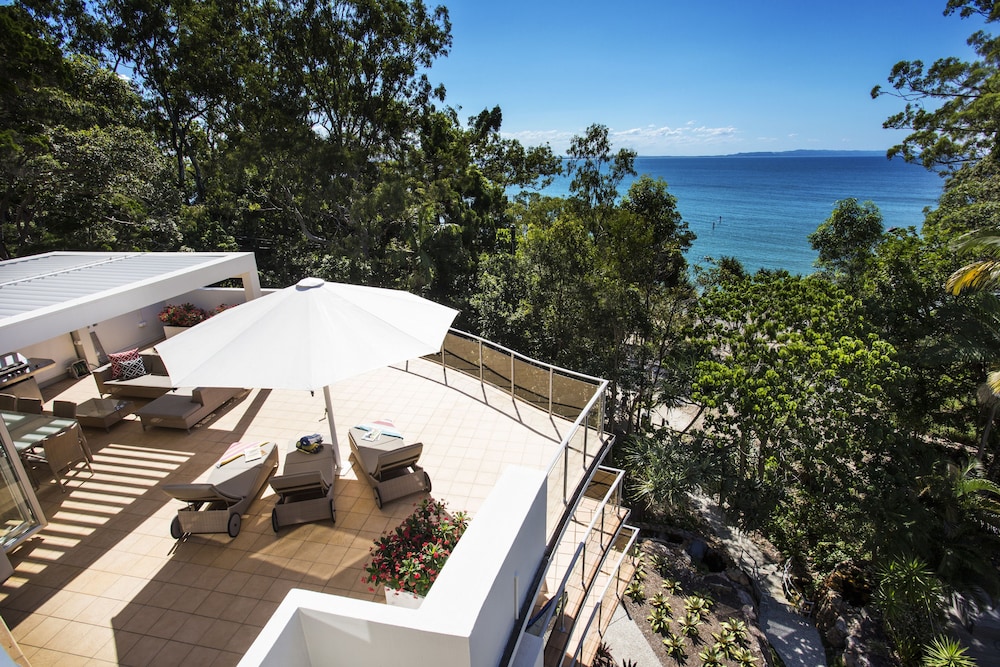
Noosa Heads is the heart of Noosa, offering luxury resorts, surfing, and a vibrant dining scene. The town is LGBTQ+ friendly, with occasional queer events.

2026
LGBTQ+ Travel Guide: Australia
Legal Situation & Safety for LGBTQ+ Travellers
Australia has one of the most comprehensive LGBTQ+ legal frameworks in the world. Same-sex marriage was legalised nationally on 9 December 2017 following a historic postal survey in which 61.6% of Australians voted in favour. The country has progressively built strong anti-discrimination and hate crime protections at both federal and state levels. In February 2025, landmark federal hate crime legislation — the Criminal Code Amendment (Hate Crimes) Act 2025 — passed both chambers of parliament with bipartisan support, explicitly adding sexual orientation, gender identity, and intersex status as protected characteristics, with penalties of up to 7 years imprisonment. Conversion therapy is now banned in jurisdictions covering approximately 85% of the population. However, some state-level variations remain — particularly regarding gender-affirming care for minors, where Queensland introduced a controversial pause on new prescriptions in early 2025 pending an independent review.
Overview of Legal Rights (Sources: Equaldex, Wikipedia)
| Topic | Status |
|---|---|
| Homosexuality | Legal federally since 1994; all states decriminalised between 1975 (SA) and 1997 (TAS) |
| Same-sex marriage | Legal since 9 December 2017 — nationally uniform |
| Adoption by same-sex couples | Legal in all states and territories since April 2018 |
| Anti-discrimination protections | Federal law since 2013 (Sex Discrimination Amendment Act); additionally covered in all states |
| Hate crime protections | Federal law since February 2025 — up to 7 years imprisonment; sexual orientation, gender identity & intersex status covered |
| Right to change legal gender | Legal — self-identification without surgery required in most states; NSW completed the transition in July 2025 |
| Recognition of non-binary identities | Legally recognised since 2016 — X gender marker available on passports and most state IDs |
| Gender-affirming care (adults) | Legal and available |
| Gender-affirming care (minors) | Varies by state — Queensland paused new prescriptions of puberty blockers for minors in January 2025 (existing patients exempted); other states unaffected |
| Conversion therapy | Banned in QLD, NSW, SA, ACT and VIC (approx. 85% of population); not yet banned in WA, NT or TAS |
| Gay panic defence | Abolished in all jurisdictions since 1 April 2021 |
| Serving openly in the military | Legal |
| Blood donation | Most wait times removed July 2025; further gender-neutral reforms expected mid-to-late 2026 |
Safety & Social Attitudes
Australia is overwhelmingly safe and welcoming for LGBTQ+ travellers. Major cities — especially Sydney and Melbourne — have large, visible, and confident queer communities where same-sex couples can freely hold hands and show affection. Discrimination in hotels, restaurants, and public venues is illegal nationwide. The Australian Capital Territory (Canberra) statistically has the highest proportion of same-sex couples per capita of any state or territory. Rural and remote areas may be less accepting, though incidents are rare.
Key Organisations & Support
- ACON (AIDS Council of NSW): Australia's largest LGBTQ+ health organisation — national reach with resources for travellers and residents
- QLife: National LGBTQ+ telephone and online counselling service — 1800 184 527, available 3pm–midnight daily
- PFLAG Australia: Support for LGBTQ+ people and their families across the country
- Emergency: 000 (Police/Ambulance/Fire) — Australia's national emergency number
Entry & Practical Information
- Most international visitors require an Electronic Travel Authority (ETA) or eVisitor visa, applied for online before travel. Citizens of some countries (NZ) do not require a visa.
- Currency is the Australian Dollar (AUD). Card payments are widely accepted — Australia is one of the world's most cashless societies.
- The official language is English.
- Same-sex foreign marriages are fully recognised under Australian law.
- Australia drives on the left side of the road.
- Australia is vast — internal flights are essential for covering longer distances. The country spans multiple time zones.
LGBTQ+ Highlights: Cities, Prides & Events
Australia has one of the richest LGBTQ+ event calendars in the world, anchored by the legendary Sydney Mardi Gras but extending to major festivals in Melbourne, Brisbane, Perth, and Adelaide throughout the year.
Sydney — Australia's Gay Capital
Sydney is widely regarded as Australia's gay capital and one of the most LGBTQ+-friendly cities on the planet. The city has more LGBTQ+-focused venues than any other Australian city, concentrated primarily in the inner-city suburb of Darlinghurst, with further hubs in Surry Hills, Potts Point, and the bohemian Newtown.
- Oxford Street, Darlinghurst: The beating heart of Sydney's gay scene — lined with long-running LGBTQ+ bars including The Colombian, Arq Sydney, and the historic Stonewall Hotel
- Surry Hills & Potts Point: Queer-friendly neighbouring precincts known for top restaurants, cafés, and a welcoming atmosphere
- Newtown: The bohemian Inner West hub — a haven for female same-sex couples, queer artists, and alternative LGBTQ+ culture along King Street
- LGBTQ+ beaches: Lady Jane Beach (clothing optional, Watsons Bay) and Obelisk Beach (North Shore) are popular with the gay community
- The Imperial Hotel, Erskineville: Iconic drag venue and LGBTQ+ landmark, famously featured in the cult film The Adventures of Priscilla, Queen of the Desert
Melbourne — Queer Arts Capital
Melbourne is Australia's cultural capital and a magnet for queer creatives, artists, and community organisations. Unlike Sydney's concentrated scene, Melbourne's LGBTQ+ community is more spread across multiple precincts — each with a distinct character.
- Fitzroy & Collingwood: The hub for Melbourne's alternative queer scene — street art, independent venues, Hares & Hyenas bookshop, and LGBTQ+ bars in a vibrant, unpretentious atmosphere
- South Yarra, Prahran & St Kilda: The more upscale side of Melbourne's LGBTQ+ scene — Chapel Street boutiques, café culture, and established venues including Chasers and The Laird
- Daylesford ("Gaylesford"): A charming country town 90 minutes from Melbourne with a thriving long-term queer community, mineral springs, and the annual ChillOut Festival in March
- Canberra (ACT) — statistically Australia's "gayest" city per capita, with its own November SpringOUT Pride festival
Brisbane — Subtropical Pride Hub
Brisbane is Australia's third-largest city and a growing LGBTQ+ destination in its own right. The queer scene is concentrated in Fortitude Valley and neighbouring New Farm, both within easy reach of the city centre. The climate is subtropical and sunny, making outdoor events and bar culture a year-round pleasure.
- Fortitude Valley: Brisbane's entertainment hub — home to LGBTQ+ bars, clubs, and venues including The Wickham and The Beat Megaclub
- New Farm: Queer-friendly leafy suburb where Brisbane Pride's annual Fair Day takes place
Perth — Sunny West Coast Scene
Perth is Australia's most remote major city, but has a lively and welcoming LGBTQ+ community. The gay scene is concentrated in the city centre and the surrounding suburbs of Maylands and Bayswater — affectionately nicknamed "Gaylands" and "Gayswater" by locals. Several popular LGBTQ+ beaches include North Swanbourne Beach (clothing optional).
- Connections Nightclub: One of Perth's most beloved LGBTQ+ venues, operating for over 40 years
- The Court: A rainbow-coloured multi-venue venue with drag shows, comedy, and wood-fired pizza
- Fringe World Festival (January/February): Perth's spectacular arts festival — a wild mix of circus, cabaret, and performance with a strong LGBTQ+ presence
More Cities & Events
- Adelaide: A growing LGBTQ+ scene in the city centre, North Adelaide, and the beachside suburb of Semaphore. Home to the annual Feast Festival (November) — South Australia's largest LGBTQ+ cultural event, spanning three weeks of theatre, cabaret, visual art, film, and community events
- Daylesford, Victoria: The queer country escape — ChillOut Festival (March) is Australia's largest rural LGBTQ+ festival, drawing visitors to this charming spa town
- Darwin, Northern Territory: A small but welcoming queer community in Australia's tropical north — Darwin Pride (September) celebrates in true Top End style
- Gaytimes Festival (Victoria): A popular LGBTQ+ camping and music festival held each February in the foothills of the Dandenong Ranges near Melbourne
- Sydney Leather & Fetish Pride: Annual Sydney event for the leather, kink, and fetish community, typically held in October
General Travel Highlights: Australia
Australia is the sixth-largest country in the world by area, offering an extraordinary diversity of landscapes, wildlife, Indigenous cultures, and urban experiences. It is genuinely one of the world's great travel destinations.
Iconic Natural Wonders
- Great Barrier Reef (Queensland): The world's largest coral reef system — a UNESCO World Heritage Site and one of the planet's great natural wonders, best experienced by snorkelling, diving, or liveaboard from Cairns or the Whitsundays
- Uluru / Ayers Rock (Northern Territory): The iconic red sandstone monolith sacred to the Anangu Aboriginal people — most spectacular at sunrise and sunset in the Red Centre. Climbing is now permanently closed out of respect for traditional custodians
- The Whitsundays (Queensland): 74 tropical islands with brilliant white-sand beaches — Whitehaven Beach is consistently rated among the world's most beautiful
- Blue Mountains (New South Wales): A dramatic sandstone plateau just 90 minutes from Sydney — ancient rainforest, waterfalls, and the iconic Three Sisters rock formation
- The Great Ocean Road (Victoria): Australia's most spectacular coastal drive — 300 km of dramatic clifftops, rainforest, and the wind-sculpted Twelve Apostles limestone stacks
- Daintree Rainforest (Queensland): The world's oldest tropical rainforest, bordering the Great Barrier Reef — a UNESCO World Heritage Site of astonishing biodiversity
- Kangaroo Island (South Australia): A wildlife sanctuary island with sea lions, koalas, echidnas, and stunning coastal scenery — accessible by ferry or flight from Adelaide
Cities & Culture
- Sydney: The Sydney Opera House, Sydney Harbour Bridge, Bondi Beach, the Rocks historic district, and world-class dining and nightlife
- Melbourne: Street art laneways, café culture, the National Gallery of Victoria, Queen Victoria Market, rooftop bars, and Australia's best food scene
- Brisbane: The Gallery of Modern Art (GOMA), South Bank Parklands, Story Bridge Adventure Climb, and gateway to the Gold Coast and Sunshine Coast
- Perth: King's Park and Botanic Garden, Cottesloe Beach, Rottnest Island (home to the quokka), world-class wineries in the nearby Swan Valley and Margaret River
- Adelaide: Wine regions (Barossa Valley, McLaren Vale, Clare Valley), the Adelaide Central Market, and Australia's most festival-oriented city
Wildlife
- Kangaroos & wallabies: Encountered across the country — many wildlife sanctuaries and national parks offer close encounters
- Koalas: Best seen at wildlife sanctuaries in Queensland, NSW, Victoria, and South Australia
- Quokkas: Friendly small marsupials found almost exclusively on Rottnest Island off Perth — famous for their photogenic "smiling" expression
- Platypus: One of the world's most unusual animals — best spotted in quiet streams in Queensland and Victoria
- Whale watching: Humpback and southern right whales migrate along the east and west coasts from May to November
- Penguin Parade, Phillip Island (Victoria): Little penguins come ashore each evening at sunset in one of Australia's most charming wildlife spectacles
Food & Drink
- Café culture: Australia has one of the world's great coffee cultures — the flat white originated here, and Melbourne and Sydney both have extraordinary independent café scenes
- Seafood: Barramundi, Moreton Bay bugs, Sydney rock oysters, King prawns, and Tasmanian salmon are among the finest in the world
- Wine: World-class wine regions include the Barossa Valley and McLaren Vale (SA), Hunter Valley (NSW), Yarra Valley (VIC), Margaret River (WA), and the Clare and Eden Valleys (SA)
- Multicultural cuisine: Australia's diverse immigrant communities have created outstanding Chinese, Vietnamese, Japanese, Italian, Greek, and Middle Eastern food scenes, especially in Sydney and Melbourne
- BBQ & outdoor dining: The Australian barbecue culture — fish and chips on the beach, outdoor pub dining, and alfresco brunch — is central to the national lifestyle
Practical Travel Tips
- Getting there: Major international airports in Sydney (SYD), Melbourne (MEL), Brisbane (BNE), Perth (PER), and Adelaide (ADL). Sydney and Melbourne are the main long-haul hubs
- Getting around: Australia is vast — domestic flights are essential for long distances. Each city has good public transport (metro, tram, bus). Driving is the best way to explore regional areas; remember to drive on the left
- Best time to visit: Varies enormously by region. Sydney and Melbourne are best in spring (Sep–Nov) and autumn (Mar–May). The tropical north (Queensland, NT) is best in the dry season (May–October). Mardi Gras in Sydney is in February/March — excellent warm weather
- Visa: Most visitors need an ETA or eVisitor visa — apply online before travel
- Health: Excellent public and private healthcare. Travel insurance strongly recommended. Sun protection is essential — Australia has the world's highest rates of skin cancer
- Currency: Australian Dollar (AUD) — card payments accepted almost everywhere, including contactless
Sources: Equaldex – LGBT Rights in Australia (equaldex.com/region/australia) · Wikipedia – LGBTQ rights in Australia · Tourism Australia – Ultimate LGBTQIA+ Guide to Australia (australia.com) · IGLTA Australia Gay Travel Guide (iglta.org) · Nomadic Boys – Gay Sydney (nomadicboys.com) · YHA Australia – Most LGBTQIA+ Friendly Cities in Australia · As of March 2026
Change location: