
Region Guide
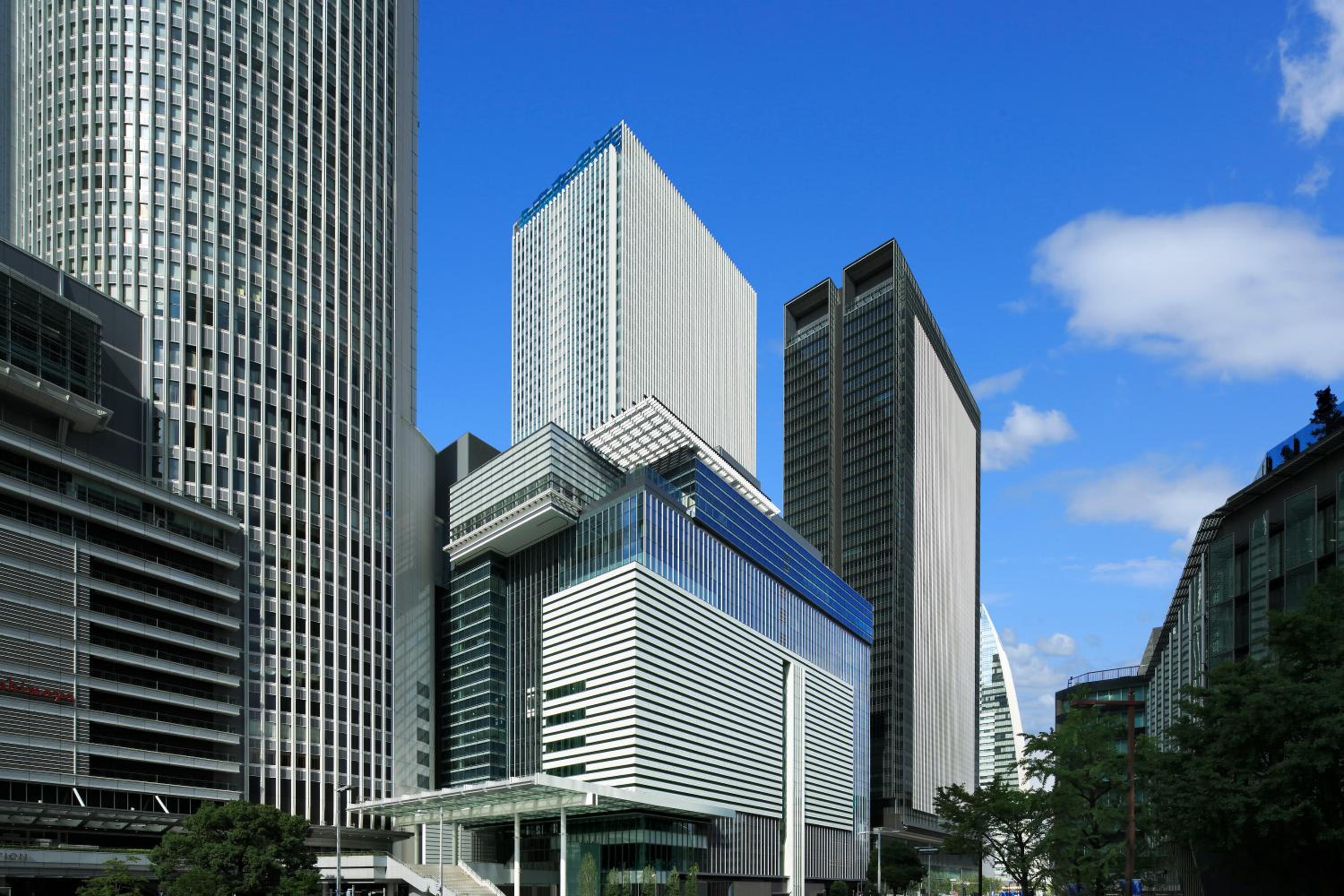
Aichi is central Japan's industrial heartland, centred on Nagoya with its reconstructed castle, Atsuta Shrine and the Toyota Commemorative Museum, plus the open-air Meiji Mura architecture park and Inuyama's original castle. The regional food culture of miso katsu and hitsumabushi is distinctive. Nishiki Ni-chome is the country's third-largest LGBTQ+ district after Tokyo and Osaka.
2026
LGBTQ+ Travel Guide: Japan
Legal Situation & Safety for LGBTQ+ Travellers
Japan's relationship with homosexuality is ancient and complex. During the Edo period (1603–1868), same-sex relationships — particularly between samurai and their apprentices — were documented and relatively common. Homosexuality was briefly criminalised between 1873 and 1881 under Western influence, but the Meiji Penal Code of 1882 decriminalised it, adopting an equal age of consent. Modern Japan inherited no colonial-era sodomy law. The postwar constitution of 1947 describes marriage as "based only on the mutual consent of both sexes" (Article 24), a phrase traditionally interpreted to exclude same-sex marriage. In June 2023, the government passed the "Act for Promotion of Public Understanding of Diversity in Sexual Orientation and Gender Identity" — a symbolic law promoting understanding with no enforceable anti-discrimination provisions. In October 2023, the Supreme Court unanimously ruled the mandatory sterilisation requirement for legal gender recognition unconstitutional — a landmark for transgender rights. In January 2025, the government announced that 24 national laws regarding common-law marriages would be applied to same-sex couples. The partnership certificate system, launched in 2015 in Shibuya and Setagaya wards of Tokyo, has spread nationwide: as of late 2025, over 530 municipalities covering approximately 92.5% of the Japanese population issue partnership certificates. These provide limited benefits (hospital visitation, public housing applications, some local services) but have no legal force under national law. The marriage equality litigation reached its appellate peak in 2024–2025: High Courts in Sapporo (March 2024), Tokyo (October 2024), Fukuoka (December 2024), Nagoya (March 2025), and Osaka (March 2025) all found aspects of the same-sex marriage ban unconstitutional — though the rulings carry largely symbolic weight without legislative action. The Tokyo High Court issued a conflicting ruling in November 2025, upholding the ban — the first High Court to do so. The Supreme Court of Japan is expected to issue a definitive ruling, likely through its Grand Bench. Current Prime Minister Sanae Takaichi (LDP President since October 2025) opposes same-sex marriage.
Overview of Legal Rights (Sources: Equaldex, Wikipedia, The Diplomat, Tokyo Review)
| Topic | Status |
|---|---|
| Homosexuality | Legal since 1882 — equal age of consent; Japan has no colonial-era sodomy law; same-sex sexual activity was criminalised only briefly 1873–1881 |
| Same-sex marriage | Not recognised — Japan is the only G7 country without any national legal recognition of same-sex unions; the Civil Code and Family Register Act restrict marriage to opposite-sex couples; cases are before the Supreme Court; most High Courts have found the ban unconstitutional; Tokyo High Court upheld the ban in November 2025; Supreme Court ruling expected |
| Partnership certificate system | Available in 530+ municipalities (92.5% of population) as of late 2025 — provides limited practical benefits (hospital visitation, public housing, some local services); no national legal force; 9,836 certificates issued to date; Aichi Prefecture introduced a "family-ship" system also covering children (2023); January 2025: government applied 24 national common-law marriage laws to same-sex couples |
| Anti-discrimination protections | Partial and local — no national anti-discrimination law covering sexual orientation or gender identity; some cities have enacted protections (Tokyo, Osaka); the 2023 Understanding Promotion Act is symbolic only; employment discrimination protections exist in some corporate policies but not national law |
| Legal gender recognition (trans rights) | Available via family court — October 2023 Supreme Court unanimously ruled mandatory sterilisation requirement unconstitutional; gender marker change requires court approval and medical process; the Hiroshima High Court in 2024 allowed a trans woman to change her legal gender without surgery; non-binary recognition not available |
| High Court rulings on marriage (2024–2025) | Divided — Sapporo (March 2024), Tokyo first case (October 2024), Fukuoka (December 2024), Nagoya (March 2025), Osaka (March 2025): found ban unconstitutional; Tokyo second case (November 2025): upheld ban as constitutional; all cases appealed to Supreme Court; Grand Bench referral widely anticipated |
| 2023 Understanding Promotion Act | In force — promotes public understanding of LGBTQ+ diversity; creates no enforceable rights, anti-discrimination protections, or recognition; widely described as insufficient by advocacy groups; was considered a modest step given the LDP government's position |
| Public opinion | Majority in favour — multiple surveys show majority public support for same-sex marriage; support strongest among under-40s, who are approximately twice as likely to support marriage equality and anti-discrimination policies as older generations; corporate Japan has moved faster than government (Nintendo announced recognition of same-sex partnerships equivalent to marriage for employees in 2022) |
Safety & Social Attitudes
Japan is one of the safest countries in the world for LGBTQ+ travellers by all measures of physical safety — violent crime is extremely rare, and Japanese society is characterised by respectful, non-confrontational social norms that apply equally to all visitors. LGBTQ+ tourists visiting Japan consistently report feeling welcome and safe. The more relevant consideration is cultural visibility rather than safety: public displays of affection are uncommon in Japan across all couples — same-sex or different-sex — and this is a general cultural norm rather than a specifically anti-LGBTQ+ expectation. LGBTQ+ life in Japan is real and visible within designated spaces (Shinjuku Ni-chōme, Pride events) but less visible in the broader public sphere. Coming out to family, employers, and society at large remains a significant challenge for many Japanese LGBTQ+ people. A 2020 survey of over 10,000 LGBTQ+ people in Japan found that 38% had experienced harassment or assault — a reminder that social safety is not uniform. Rural and more conservative communities may be less welcoming. The overall picture for visiting LGBTQ+ tourists is strongly positive: Japan's safety, warmth, and hospitality are genuine and encompassing.
Key Organisations & Support
- Tokyo Rainbow Pride (TRP): Organiser of Japan's largest annual LGBTQ+ event — festival, parade, and year-round advocacy; tokyorainbowpride.com
- OCCUR (Japan Association for the Lesbian and Gay Movement): One of Japan's oldest LGBTQ+ advocacy organisations
- Marriage For All Japan: The primary legal advocacy organisation coordinating the nationwide marriage equality litigation
- Lawyers for LGBT & Allies Network (LLAN): Network of lawyers monitoring and coordinating the marriage equality cases heading to the Supreme Court
- nijiiro diversity: Workplace LGBTQ+ advocacy organisation
- Emergency: 110 (Police) / 119 (Fire and Ambulance) / English helpline: Japan Visitor Hotline 050-3816-2787 (24/7)
Entry & Practical Information
- Citizens of most Western nations (EU, USA, UK, Canada, Australia, etc.) enter Japan visa-free for 90 days for tourism. Electronic Travel Authorisation (eTA) may apply to some nationalities; check Japan's Ministry of Foreign Affairs for current requirements.
- The currency is the Japanese Yen (JPY). Japan remains significantly cash-oriented despite growing card acceptance in cities; carry cash for small restaurants, temples, shrines, local shops, rural areas, and vending machines. IC cards (Suica, Pasmo) are rechargeable transit cards that also work at many convenience stores and shops — essential for getting around Tokyo and other cities.
- The official language is Japanese. English is spoken in tourist areas, international hotels, and many younger urban Japanese, but is not universally understood. Google Translate's camera function (pointing at Japanese text) is an invaluable tool throughout Japan. Major train stations and tourist sites have English signage.
- Japan operates an extraordinarily well-organised public transport system — the Shinkansen (bullet train) network connects all major cities at speeds up to 320km/h with near-perfect punctuality; local urban rail networks are dense, efficient, and clearly signposted. A Japan Rail Pass (purchased before arrival) offers unlimited Shinkansen travel and is excellent value for multi-city itineraries.
LGBTQ+ Highlights: Cities & Events
Tokyo — Shinjuku Ni-chōme and Beyond
Tokyo (population approximately 14 million in the city; 38 million in the metropolitan area — the world's largest urban agglomeration) is Japan's capital and by a considerable distance its most cosmopolitan and LGBTQ+-visible city. The Shinjuku Ni-chōme district — the "second block" of Shinjuku's former red-light district — is the heart of Tokyo's LGBTQ+ scene and, by density, the world's most concentrated gay neighbourhood: over 300 gay bars, clubs, cafés, and venues packed into a few compact city blocks. The bars range from small, intimate establishments seating 8–10 people (the quintessential Tokyo gay bar experience, where you stand at the bar and conversations happen naturally) to larger clubs and event spaces. Some venues are exclusively for Japanese men; others welcome all visitors — the city's dedicated guidebooks and LGBTQ+ travel apps (including 9monsters, the most popular Japanese gay social app) help navigate which is which.
- Shinjuku Ni-chōme (二丁目): The world's most concentrated LGBTQ+ neighbourhood — 300+ bars and venues in a few blocks around 2-chome of Shinjuku; an extraordinary and uniquely Tokyo experience; the small-bar format means each venue has its own character and regular crowd; accessible from Shinjuku-Sanchōme station (Tokyo Metro)
- AiSOTOPE Lounge (2-12-6 Shinjuku): One of the most active event venues in Ni-chōme — regularly scheduled events including the weekly Banana Fridays (men-only night) and Diamond Cutter (women-only); AiRRO Cafe Bar is its sister venue; well-known for drag events and the Pride Carnival after-party
- Dragon Men (2-11-4 Shinjuku): The largest gay club in Ni-chōme — two floors, two dance areas, house music, and one of the most welcoming environments for international visitors in the neighbourhood; operated by the same management as AiRRO; open daily until 3–5am
- Aiiro Cafe Bar (Ni-chōme): Popular and internationally welcoming café-bar in the heart of Ni-chōme — a good first stop to meet other international visitors and get oriented; rainbow-coloured space with a relaxed atmosphere
- Campy! (Ni-chōme): A distinctively colourful and camp bar in Ni-chōme — drag performances, themed décor, and a lively atmosphere that captures the exuberant spirit of the neighbourhood at its most theatrical
- Yoyogi Park (Pride area): The site of Tokyo Pride's main festival grounds — in late April or early June, the park and surrounding area transform into the festival zone; even outside Pride season, Yoyogi Park (adjacent to Harajuku and Meiji Shrine) is a large, welcoming public space where various subcultures including LGBTQ+ communities gather on weekends
- Tokyo's anti-discrimination policy: Tokyo Metropolitan Government enacted anti-discrimination ordinances protecting sexual orientation and gender identity for residents; the city's partnership system for same-sex couples was implemented in November 2021
Osaka — Doyamacho and the Second City
Osaka (population approximately 2.7 million; Kansai region 20 million) is Japan's second-largest and arguably most sociable city — famous for its food culture, direct and warm locals, and distinctive Kansai humour. The Doyamacho (堂山町) district in the Umeda area of Kita ward is Osaka's gay neighbourhood — smaller than Ni-chōme but vibrant; primarily oriented toward cisgender gay men in its dedicated venues, though many more casual spaces welcome all LGBTQ+ visitors and foreign nationals. Osaka Pride is held annually in June or July. Osaka also serves as the base for visiting Kyoto and Nara — easily accessible by Shinkansen or local rail — making it an excellent home base for exploring the Kansai region.
Other Destinations
- Kyoto: Japan's ancient imperial capital — 17 UNESCO World Heritage Sites, 1,600 Buddhist temples and Shinto shrines, traditional machiya townhouses, geisha districts (hanamachi), the Philosopher's Path, and Arashiyama bamboo grove; no dedicated gay neighbourhood but a broadly welcoming city; Kyoto Pride is held annually; 15 minutes from Osaka by Shinkansen (Hikari)
- Hiroshima: The city devastated by the world's first atomic bomb on 6 August 1945 — the Peace Memorial Museum and Peace Memorial Park (with the Atomic Bomb Dome, UNESCO) are among the most emotionally significant sites in the world for any visitor; Hiroshima is a beautiful, rebuilt modern city with a resilient spirit; Hiroshima Prefecture enacted a partnership system; accessible by Shinkansen from Osaka (approx. 1 hour 15 minutes)
- Sapporo (Hokkaido): Hokkaido's capital — renowned for its annual Snow Festival (February), Sapporo Beer Museum, excellent ramen and seafood, and the surrounding Hokkaido countryside; Sapporo was the first Japanese city to have a district court rule the same-sex marriage ban unconstitutional (March 2021); Sapporo Rainbow Pride is held annually in summer
- Fukuoka (Kyushu): The gateway to Kyushu — a modern, liveable city with excellent food (Hakata ramen is one of Japan's most celebrated ramen styles), the Fukuoka Yatai open-air food stalls on the Naka River, and Dazaifu Tenmangu shrine; Fukuoka High Court found the same-sex marriage ban unconstitutional in December 2024; Fukuoka Pride is annual
- Okinawa: Japan's southernmost prefecture — a subtropical archipelago with its own distinct Ryukyuan culture, language, and history; coral reefs, the Kerama Islands, and the island of Yonaguni (Japan's westernmost point, with dramatic underwater rock formations); Naha has a small but visible LGBTQ+ community; Naha Partnership Certificate system in operation
General Travel Highlights: Japan
Japan is one of the world's most complex, rewarding, and immersive travel experiences — a country of 125 million people where ancient Buddhist and Shinto spiritual traditions coexist with cutting-edge technology, where the precise rituals of tea ceremony and cherry-blossom viewing coexist with the anarchic energy of Shibuya crossing and Shinjuku's neon labyrinth, and where the food — at every price point from a ¥500 ramen counter to a ¥50,000 kaiseki dinner — is extraordinary.
Tokyo: The World in One City
- Shinjuku: One of Tokyo's most layered districts — the world's busiest railway station (3 million daily passengers, 200 exits), the skyscraper zone of Nishi-Shinjuku, the neon entertainment district of Kabukicho, the serene Shinjuku Gyoen National Garden (cherry blossoms in spring), and Ni-chōme; a full day and night here reveals Tokyo's full range
- Shibuya Crossing: The world's most famous pedestrian crossing — up to 3,000 people cross simultaneously when the lights change; surrounding Shibuya is one of Tokyo's most energetic fashion and youth culture districts; Hachiko square (the faithful dog statue) is immediately adjacent to the crossing
- Meiji Shrine and Harajuku: The Meiji Jingu shrine (dedicated to Emperor Meiji, completed 1920, set in a vast forested park) contrasts with the adjacent Takeshita Street — Tokyo's most famous street of youth fashion, cosplay, and spectacularly decorated crêpes; Omotesando (Harajuku's boulevard) is Tokyo's most architecturally distinguished shopping street
- Senso-ji Temple (Asakusa): Tokyo's oldest and most visited Buddhist temple — the Kaminarimon (Thunder Gate) with its famous red lantern; the Nakamise-dori shopping street of traditional crafts and snacks leading to the temple precinct; best experienced early morning before the crowds; the traditional shitamachi (old town) atmosphere of Asakusa is the most historically evocative district in Tokyo
- teamLab Planets (Toyosu) and teamLab Borderless (Azabudai Hills): Tokyo's world-famous immersive digital art installations — extraordinary experiences of light, water, and digital nature; book in advance, sell out weeks ahead
- Tsukiji Outer Market and food culture: The world's most renowned seafood market moved its wholesale operations to Toyosu in 2018, but the Tsukiji Outer Market remains open for retail — fresh sushi, grilled scallops, egg rolls, and street food at their finest; the broader concept of eating in Tokyo (with more Michelin-starred restaurants than any other city in the world, including Paris) rewards exploration at every level
Japan's Iconic Experiences
- Kyoto's temples and gardens: Fushimi Inari-taisha (thousands of vermilion torii gates climbing a mountain — most dramatic at dawn, before tourists arrive); Kinkaku-ji (the Golden Pavilion); Arashiyama bamboo grove and Tenryu-ji garden; the Gion district (geisha quarter); the Philosopher's Path in cherry blossom season; Ryoan-ji's Zen rock garden
- Mount Fuji: Japan's most iconic image — the symmetrical volcanic cone visible from Tokyo on clear days, and best experienced from the Fuji Five Lakes (Kawaguchiko is the most accessible); the climbing season runs July to early September; the Chureito Pagoda at Arakurayama Sengen Park (with Fuji behind it) is one of Japan's most photographed viewpoints
- Cherry blossoms (sakura): Japan's defining seasonal event — the sakura front moves northward from late March (Kyushu) through May (Hokkaido); hanami (flower-viewing) picnics under cherry trees in parks, along riverbanks, and at castle grounds are one of the great communal pleasures of Japanese life; the window of peak bloom at any given location is typically one week
- Onsen (hot spring) culture: Japan's network of natural hot spring baths — from grand resort ryokan in Hakone or the Izu Peninsula, to local neighbourhood sento (public bathhouses) in every city; onsen rules (wash before entering, no swimwear, typically no tattoos in traditional establishments) are important to understand; the experience of soaking in mineral-rich thermal water, often outdoors with mountain or forest views, is central to Japanese wellbeing culture; LGBTQ+-welcoming onsen do exist (some in Tokyo's 24 Kaikan facilities)
- Nara: Ancient capital and Buddhist heartland — the Todai-ji temple (housing the Great Buddha, the world's largest bronze Buddha statue, in the world's largest wooden building); the wild Nara deer (approximately 1,000 semi-wild sika deer roam the park, bowing for crackers); accessible as a day trip from Osaka or Kyoto
- Hiroshima and Miyajima: The Peace Memorial Museum and Park in Hiroshima, and the island of Miyajima (Itsukushima Shrine, its famous floating torii gate, tame deer) — one of Japan's most beautiful small islands, 30 minutes by ferry from Hiroshima; designated one of the "Three Views of Japan" since the 17th century
Japanese Food
- Japanese cuisine: One of the world's most refined, diverse, and deeply considered food cultures — the concept of shun (seasonality), the precision of shokunin (master craftsmen), and the philosophy that food should be prepared with total attention and respect for ingredients permeate every level; Tokyo has more Michelin stars than any other city in the world; sushi (in the Edomae style — nigiri with vinegared rice, served at the counter in front of the chef); ramen (infinitely regional and varied — tonkotsu in Fukuoka, miso ramen in Sapporo, shoyu ramen in Tokyo); yakitori (grilled chicken skewers at izakaya beneath railway arches); tempura; wagyu beef; kaiseki (the multi-course haute cuisine derived from the tea ceremony tradition, perfected in Kyoto); onigiri, karaage, and convenience store food (Japan's convenience stores — 7-Eleven, Lawson, FamilyMart — are a food culture unto themselves)
Sources: Wikipedia – LGBTQ rights in Japan; LGBTQ culture in Tokyo; Recognition of same-sex unions in Japan · The Diplomat – Court Rulings and Public Opinion on Same-Sex Marriage in Japan (August 2025) · Tokyo Review – A Decade of LGBT Partnership Systems in Japan (December 2025) · JURIST – Tokyo High Court ruling upholds same-sex marriage ban (November 2025) · Amnesty International – Japan: Last high court ruling a damaging step backwards (November 2025) · JoynTokyo – Is same-sex marriage legal in Japan? (January 2026) · Japan Gay Guide – Tokyo Pride 2025; Tokyo High Court ruling (December 2025) · IGLTA – Gay Japan travel guide · Nomadic Boys – Gay Tokyo Guide (October 2025) · Intrepid Travel – LGBTQIA+ travel in Japan · As of March 2026. Note: The Supreme Court of Japan is expected to issue a landmark ruling on marriage equality; check for developments before travelling.
Change location: