
Region Guide
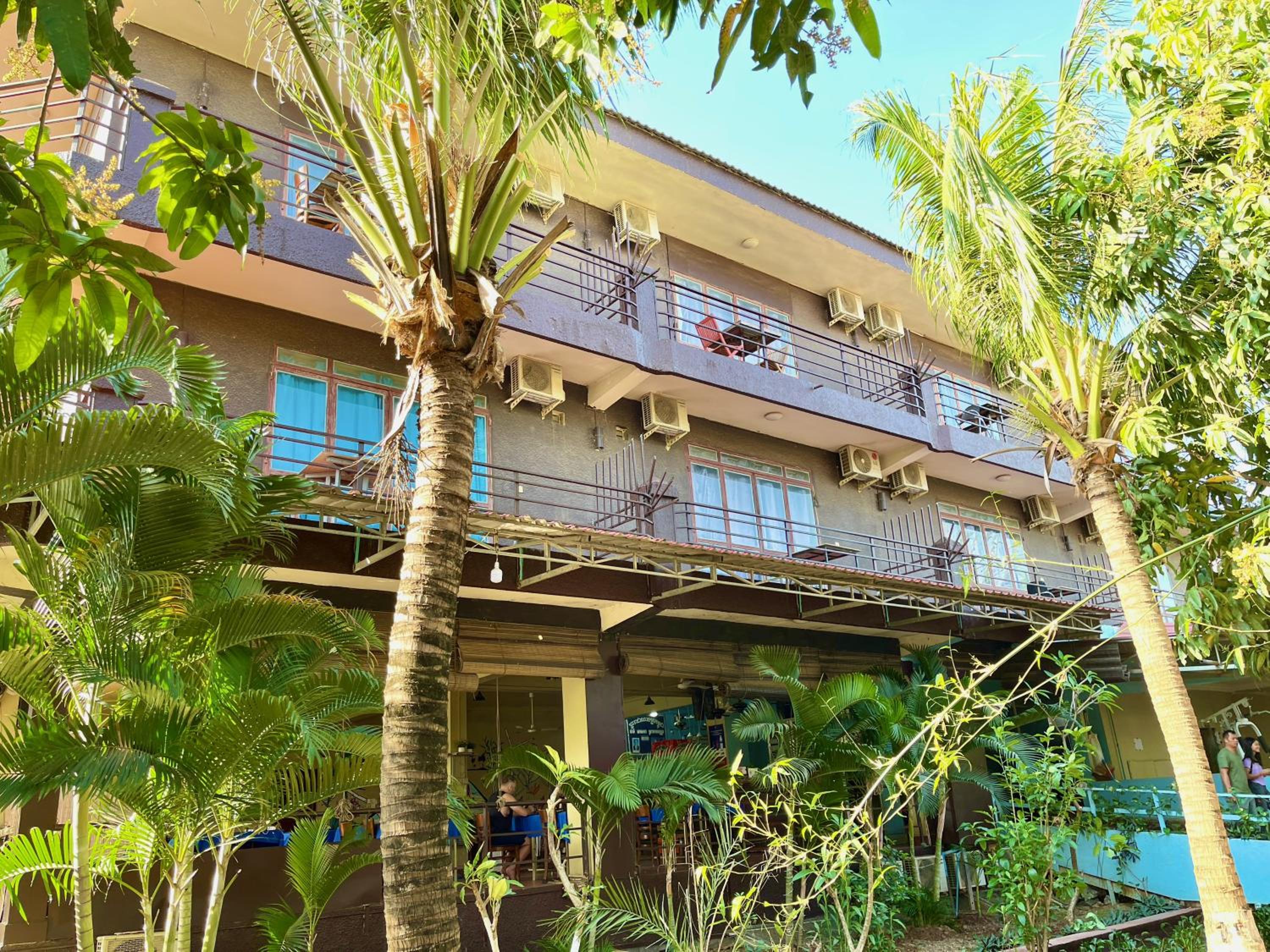
Kratie province lines the Mekong in northeastern Cambodia, best known for the critically endangered Irrawaddy dolphins at Kampi and for the island of Koh Trong with its bicycle trails and pomelo orchards. The riverside town has faded colonial architecture and spectacular sunsets. There is no queer scene, but guesthouses are relaxed and welcoming.
2026
LGBTQ+ Travel Guide: Cambodia
Legal Situation & Safety for LGBTQ+ Travellers
Cambodia occupies a distinctive position in Southeast Asia: same-sex activity has never been criminalised in the country's history — not under the Khmer empire, not under French colonial rule, and not under post-independence governments (excepting the brutal Khmer Rouge period from 1975–1979, when vague morality laws were used to repress gender-nonconforming expression). The legal picture is one of absence rather than active protection: no criminalisation, but equally no anti-discrimination laws, no hate crime protections, and no legal relationship recognition. Momentum towards change is real — in February 2026, the Cambodian Human Rights Committee formally expressed support for same-sex marriage legalisation, and a "declaration of family relationship" registry introduced in some provinces offers limited documentation rights for same-sex couples. King Norodom Sihamoni supports same-sex marriage legalisation, and the government accepted relevant UPR recommendations in 2024.
Overview of Legal Rights (Sources: Equaldex, Wikipedia, OHCHR)
| Topic | Status |
|---|---|
| Homosexuality | Legal — never criminalised in Cambodian history. Equal age of consent: 15 for all. |
| Same-sex marriage | Not recognised — Constitution defines marriage as between one man and one woman. King Sihamoni and the late King Father Sihanouk publicly supported legalisation. CHRC expressed support for legalisation February 2026; government review of legislation ongoing. |
| Partnership / relationship recognition | Partial — a "declaration of family relationship" registry introduced in 68 communes by 2021 offers limited legal documentation for same-sex couples; no inheritance, hospital, or property rights attached |
| Anti-discrimination protections | None — no specific legal protections based on sexual orientation or gender identity in employment, housing, or services |
| Hate crime protections | None |
| Right to change legal gender | Not possible — no legal pathway exists for gender marker change |
| Gender-affirming care | Legal but limited — hormone therapy available at some private clinics since around 2015; access is costly and uneven; surgeries are not generally available through regulated providers |
| Same-sex adoption | Ambiguous — a previous ban on adoption by foreign same-sex couples has been lifted; the legal position for Cambodian citizens remains unclear |
| Censorship of LGBTQ+ topics | None — no laws restricting discussion or promotion of LGBTQ+ topics; Cambodia has introduced LGBT-inclusive education content in some schools |
| Conversion therapy | Not banned |
| Blood donation by MSM | Legal — no specific restrictions |
Safety & Social Attitudes
Cambodia's social picture for LGBTQ+ people is nuanced. For foreign visitors in Phnom Penh and Siem Reap, the experience is generally positive — gay-friendly venues operate freely, there is no harassment of tourists, and staff in the hotel and tourism sectors are largely professional and welcoming. For Cambodian LGBTQ+ people, however, the experience is more complex: social stigma remains significant, many face pressure to enter opposite-sex marriages, and workplace and school discrimination is common. A cultural note relevant to all visitors: public displays of affection are generally discouraged in Cambodian culture regardless of sexual orientation — this is a Buddhist-influenced norm around public modesty rather than specific LGBTQ+ hostility.
Key Organisations & Support
- Rainbow Community Kampuchea (RoCK): Cambodia's leading LGBTQ+ rights organisation — works on legal reform, community support, and advocacy; has collaborated with government on LGBT-inclusive policy
- CamASEAN: LGBTQ+ community network focusing on health, rights, and social support for Cambodia's queer community
- Cambodian Center for Human Rights (CCHR): Broader human rights organisation that monitors and advocates on LGBTQ+ rights issues
- PRIDE Cambodia Organisation: Organiser of Cambodia's annual Pride Fest events in Phnom Penh and Siem Reap
- Emergency: 117 (Police) / 119 (Ambulance) / 023 724 891 (Tourist Police Phnom Penh)
Entry & Practical Information
- Most nationalities can obtain a tourist visa on arrival (30 days, US$30) at Phnom Penh and Siem Reap international airports and land border crossings. An e-visa is available in advance online at evisa.gov.kh. ASEAN nationals enter visa-free.
- The US dollar is widely used alongside the Cambodian Riel (KHR). Most transactions in tourist areas are quoted and accepted in USD; riel is typically given as change. ATMs are widely available in cities.
- The official language is Khmer. English is widely spoken in the tourism industry, hotels, restaurants, and among younger Cambodians in cities. French is spoken by some older generations.
- Cambodia does not legally recognise foreign same-sex marriages — do not rely on relationship recognition for medical, legal, or emergency situations.
- Dress modestly when visiting temples and religious sites — this applies to all visitors. Shoulders and knees should be covered.
LGBTQ+ Highlights: Cities, Prides & Events
Cambodia's LGBTQ+ scene is concentrated in two cities — Phnom Penh and Siem Reap — where a mix of gay bars, gay-friendly hotels, and community events creates a genuinely welcoming environment for queer travellers. Pride has been celebrated annually since 2003, and the scene continues to grow as both cities become increasingly cosmopolitan.
Phnom Penh — Capital City, Vibrant Scene
Phnom Penh is Cambodia's rapidly modernising capital — a city of striking contrasts where French colonial architecture, gleaming new towers, Buddhist pagodas, and one of Asia's most significant genocide memorials coexist along the Mekong and Tonlé Sap rivers. For LGBTQ+ travellers it offers the country's most developed queer scene, with dedicated venues, gay-friendly accommodation, and an increasingly cosmopolitan atmosphere.
- Blue Chilli: The longest-running gay bar in Cambodia and something of a national LGBTQ+ institution — a genuine meeting point for gay locals and travellers alike. Nightly drag shows Wednesday to Saturday from 10:30 PM; a welcoming terrace for people-watching; happy hour 5–8 PM.
- Heart of Darkness: Phnom Penh's most iconic late-night club — gay-owned, and a popular spillover venue for the wider gay crowd. Renovated with Khmer-inspired interiors, open until 5 AM and always packed on weekends.
- Space Bar: A popular gay-friendly bar and social hub — owned by a prominent figure in Phnom Penh's LGBTQ+ community; welcoming to all
- Arthur & Paul: A men-only gay hotel and spa in central Phnom Penh — a social hub for both international visitors and local gay Cambodians; one of the key gathering points for the city's queer community
- Rambutan Resort Phnom Penh: A well-regarded gay-friendly hotel in the city centre; the Rambutan brand operates gay-friendly properties in both Phnom Penh and Siem Reap
- Most gay venues are concentrated in the central riverside area and BKK1 neighbourhood — the most cosmopolitan and expat-heavy part of the city
Siem Reap — Temples and a Thriving Scene
Siem Reap is the gateway to the temples of Angkor — one of the world's great archaeological wonders — and has developed a surprisingly lively and welcoming LGBTQ+ scene that serves both a resident expat community and international visitors. The city's compact centre, tourist-friendly atmosphere, and concentration of LGBTQ+-welcoming accommodation and nightlife make it an ideal base for exploring Angkor while feeling comfortably at home.
- Miss Wong: A vintage-style cocktail bar inspired by 1930s Shanghai — one of the most highly recommended LGBTQ+-welcoming venues in Siem Reap; stylish, friendly, and a great place to meet other queer travellers and locals
- Barcode Siem Reap: Established gay bar with regular drag performances — a key anchor of the Siem Reap queer scene
- Rambutan Resort Siem Reap: Gay-friendly boutique hotel run by gay owners but open and welcoming to all guests — a popular choice for LGBTQ+ visitors and a relaxed social hub
- Pub Street / Alley West: Siem Reap's main entertainment hub — while not exclusively LGBTQ+, the area is generally mixed, cosmopolitan, and accepting; many bars and restaurants welcome all guests without issue
General Travel Highlights: Cambodia
Cambodia is one of Asia's most emotionally powerful and visually breathtaking travel destinations. From the ancient wonders of Angkor to the haunting memorials of the Khmer Rouge era, the beaches of the Gulf of Thailand, and the life on the Mekong River, it rewards travellers with experiences unlike anywhere else on earth.
Angkor — One of the World's Great Wonders
- Angkor Wat: The world's largest religious monument — a 12th-century Hindu-turned-Buddhist temple complex covering 162 hectares, its five towers rising above a vast moat; the most photographed sunrise in Asia and a UNESCO World Heritage Site of extraordinary power and beauty
- Angkor Thom & The Bayon: The great walled capital of the Khmer Empire — the Bayon temple at its centre is covered with 216 stone faces of serene, enigmatic expression, one of ancient Asia's most haunting architectural achievements
- Ta Prohm: The jungle temple — deliberately left in the embrace of vast silk-cotton and strangler fig trees; the interplay of ancient stone and living forest is one of the most iconic images in world travel photography
- Banteay Srei: The "Citadel of Women" — a 10th-century temple of rose-coloured sandstone carved with the finest decorative detail of any temple in the Angkor complex; considered by many art historians the jewel of Khmer sculpture
- Tonlé Sap Lake: Southeast Asia's largest freshwater lake — the floating villages and stilted communities around its shores offer a vivid glimpse of Cambodian rural life; the lake floods dramatically with the monsoon each year, sustaining a remarkable ecosystem
Phnom Penh — History, Culture and the Mekong
- Royal Palace & Silver Pagoda: The working palace of the Cambodian royal family — the Silver Pagoda (Wat Preah Keo) contains a floor of 5,000 silver tiles and a stunning collection of Khmer Buddhist art and royal regalia
- National Museum of Cambodia: Southeast Asia's finest collection of Khmer sculpture — housed in a beautiful traditional red-brick pavilion near the Royal Palace; essential context for understanding the temples of Angkor
- Tuol Sleng Genocide Museum (S-21): One of the most important human rights sites in the world — the former Khmer Rouge detention and torture centre where an estimated 17,000 people were imprisoned between 1975 and 1979; a deeply sobering and historically essential visit
- Choeung Ek Killing Fields: The site where prisoners from S-21 were executed — now a memorial and museum; one of the most moving experiences Cambodia offers, and one that every visitor should make
- Phnom Penh riverfront & Central Market: The Sisowath Quay riverfront promenade, the Art Deco Central Market (Psar Thmei), and the French colonial quarter offer a different, more urbane face of Phnom Penh
The Coast — Sihanoukville, Koh Rong & Kampot
- Koh Rong Archipelago: Cambodia's island paradise — Koh Rong and Koh Rong Sanloem offer pristine white sand beaches, crystal-clear water, bioluminescent plankton on night swims, and a relaxed backpacker and boutique resort scene; reached by fast boat from Sihanoukville
- Kampot: One of Southeast Asia's most charming small towns — a sleepy riverside colonial town famous for its pepper plantations (Kampot pepper is among the world's finest), cave temples at Phnom Chhnork, and a relaxed café culture; excellent base for day trips to Kep and Bokor Hill Station
- Kep: A former French colonial resort town on the Gulf coast — famous for its crab market (Blue Swimming Crab with Kampot pepper is a must-eat), mangrove forest trails, and tranquil atmosphere; easily combined with Kampot
- Sihanoukville: Cambodia's main coastal city — significantly transformed by Chinese investment in recent years; worth visiting primarily as a gateway to the islands and for its remaining beachfront areas
Culture, Food & Practical Tips
- Khmer cuisine: One of Asia's most underrated food cultures — highlights include amok (fish or chicken steamed in coconut milk and kroeung spice paste in a banana leaf), lok lak (stir-fried beef with lime-pepper dipping sauce), nom banh chok (rice noodles with green fish curry for breakfast), and fresh seafood on the coast; excellent fresh fruit throughout the country
- Apsara dance: Cambodia's classical dance tradition — an intangible UNESCO Cultural Heritage, originally performed at the Angkor royal court; performances available in both Siem Reap and Phnom Penh
- Getting there: Main international airports are Phnom Penh International (PNH) and Siem Reap–Angkor International (SAI, opened 2023). Direct connections from Bangkok, Singapore, Kuala Lumpur, Ho Chi Minh City, Seoul, and Guangzhou; connecting flights from Europe and beyond via regional hubs
- Getting around: Domestic flights connect Phnom Penh and Siem Reap (45 minutes). Buses are comprehensive and inexpensive for intercity travel. Tuk-tuks and rideshare apps (Grab) are the standard way to get around cities.
- Best time to visit: November to April (dry season) is ideal throughout Cambodia. December to February is the cooler, most comfortable period. Avoid April (extreme heat before the monsoon). The monsoon (May–October) makes Angkor greener and less crowded but some roads and areas become inaccessible.
- Currency tip: USD is universally accepted in tourist areas; always carry some small USD bills. The exchange rate built into prices is generally fair. Tipping is appreciated but not obligatory — rounding up or 10% is appropriate at restaurants.
Sources: Equaldex – LGBT Rights in Cambodia (equaldex.com/region/cambodia) · Wikipedia – LGBTQ rights in Cambodia; Recognition of same-sex unions in Cambodia · OHCHR Cambodia – Cambodia celebrates PRIDE on the path to equality (June 2025) · The Gay Passport – Gay Phnom Penh Guide 2026 · Intrepid Travel – LGBTQIA+ travel in Cambodia · TravelGay – Gay Cambodia Country Guide 2026 · Pipeaway – Gay Khmer Travel Guide · As of March 2026
Change location: